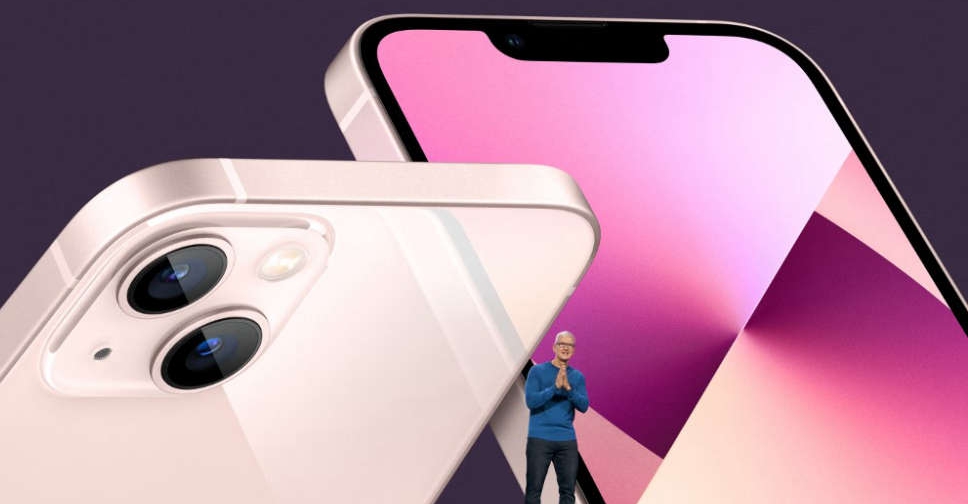
Apple Inc said on Tuesday it will appeal a Brazilian order banning it from selling iPhones without a battery charger, pushing back on claims that the company provides an incomplete product to consumers.
The Justice Ministry fined Apple 12.275 million reais ($2.38 million) and ordered the company to cancel sales of the iPhone 12 and newer models, in addition to suspending the sale of any iPhone model that does not come with a charger.
In the order, published on Tuesday in the country's official gazette, the ministry argued that the iPhone was lacking a essential component in a "deliberate discriminatory practice against consumers."
The authorities rejected Apple's argument that the practice had the purpose of reducing carbon emissions, saying there is no evidence that selling the smartphone without a charger offers environmental protections.
Apple said it would continue to work with Brazilian consumer protection agency Senacon in order to "resolve their concerns," while saying it would appeal the decision.
"We have already won several court rulings in Brazil on this matter and we are confident that our customers are aware of the various options for charging and connecting their devices," Apple said.
The order comes a day before Apple is expected to announce its new iPhone model.


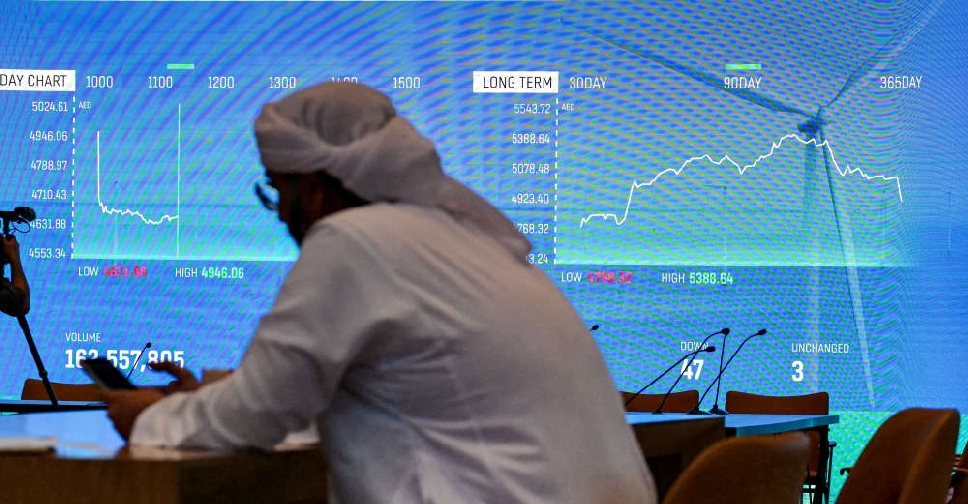 Gulf stocks mixed amid confusion over US-Iran talks
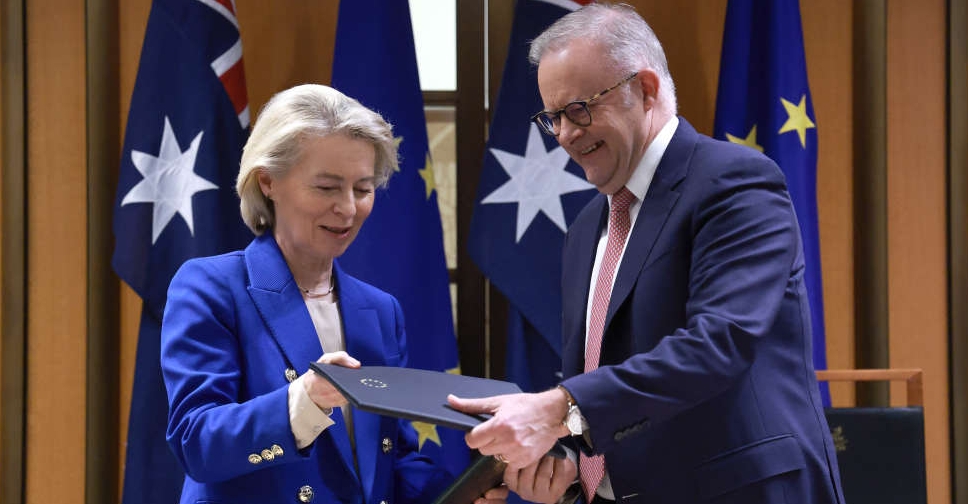 Australia, EU seal long-awaited trade deal
 Weaponising Strait of Hormuz is an act of economic terrorism: Sultan Al Jaber
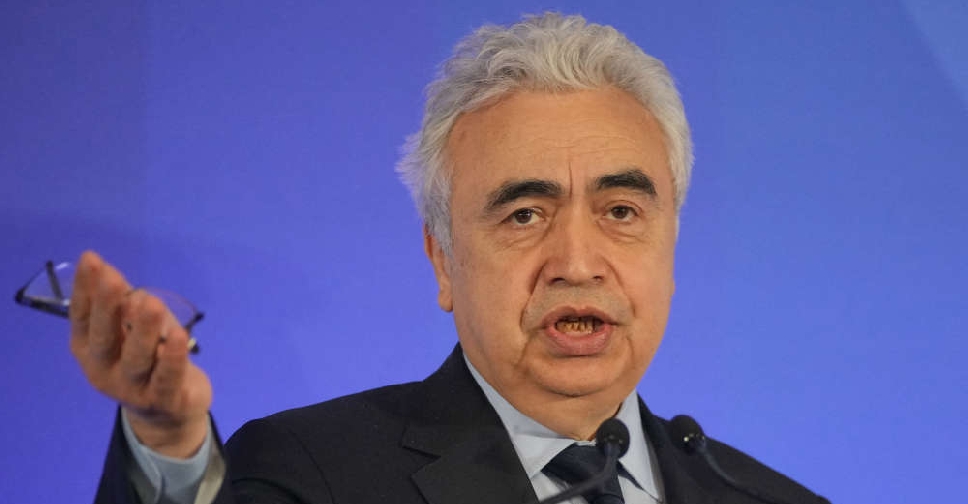 IEA consulting with governments on further oil stock releases, chief Birol says
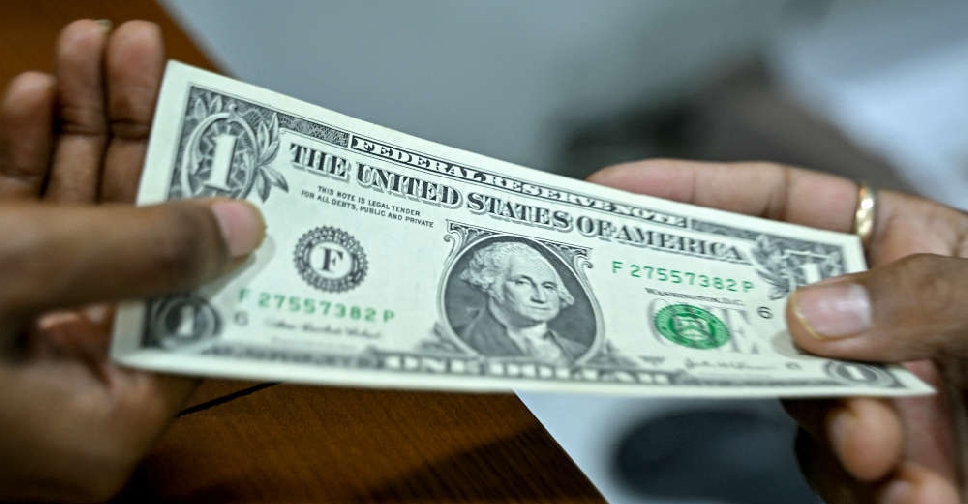 Dollar rises as escalating Middle East tensions spur haven demand