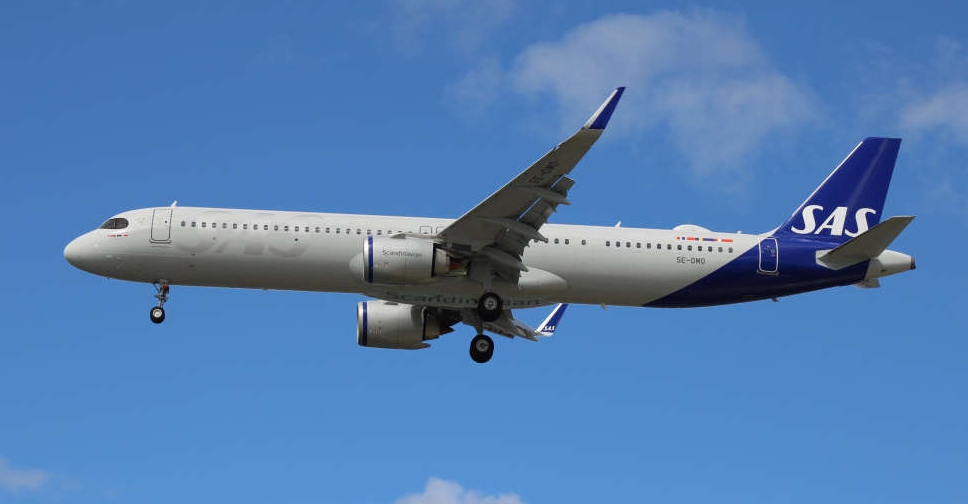
Scandinavian airline SAS AB said on Thursday it had initiated steps to raise equity and would seek bids as part of its ongoing Chapter 11 bankruptcy proceedings in the United States.
The embattled carrier filed for bankruptcy protection in the US last year, as it sought to slash costs and debt amid strikes from pilots after wage talks collapsed.
The airline, which earlier aimed to raise SEK 9.5 billion ($911.20 million) in equity financing, now said the final sum would be dependent on the bidding process and generation of additional liquidity by the airline.
It expects "little or no recovery for subordinated unsecured creditors and only a modest recovery for general unsecured creditors due to anticipated debt reductions and the need for substantial new equity capital."
SAS, whose biggest owners are Sweden and Denmark, said in a statement that it expects revenues to return to pre-COVID levels in fiscal year 2024, and reach up to about 58 billion Swedish crowns for 2026.
It also sees a significantly higher level of liquidity than the previously expected 15% for 2023.
In February, the Scandinavian airline posted a slightly smaller first-quarter loss before tax than a year earlier, as bookings for the quarter and the summer months were better than expected.

 HyveGeo wins Dubai Holding's top innovation award
 Etihad offers free medical travel insurance for visitors
 SpaceX vaults over $2 trillion valuation as stock jumps after record IPO
 India curbs bulk fuel buying at retail pumps, caps diesel sales
 Hong Kong seizes haul of World Cup fakes worth $20 million