Abu Dhabi National Oil Company (ADNOC) is increasing the size of its initial public offering from 1.2 billion ordinary shares to 1.76 billion ordinary shares, which equates to 11 per cent of ADNOC Drilling’s total issued share capital.
Subject to completion of the IPO, ADNOC will continue to own a majority 84 per cent stake in the company, while Baker Hughes, which entered into a strategic partnership with ADNOC Drilling in October 2018, will retain its five per cent shareholding in the company.
The offer price of AED 2.30 per share remains unchanged.
As part of the new offering size, ADNOC also intends to increase the size of the tranches reserved for UAE retail investors, including eligible ADNOC Group companies’ employees and UAE national retirees.
The final tranche sizes will be determined at ADNOC’s discretion and announced on September 27.
The subscription period for the ADNOC Drilling IPO remains unchanged and will close on September 23, for UAE retail investors and on September 26 for qualified domestic and international institutional investors.
ADNOC Drilling is expected to list on the ADX on or around October 3.
Cultural and creative industries should be treated as a core pillar of national economic strategy, according to a new report launched by FTI Consulting in partnership with the World Governments Summit.
Dubai-based TECOM Group has reported a strong financial performance for 2025, driven by rising demand across its commercial, industrial and land portfolios.
Family-owned businesses are being encouraged to take a more active role in shaping sustainable investment and social impact, as leaders met in Dubai to discuss how family wealth can be positioned for the future.
The Comprehensive Economic Partnership Agreement (CEPA) between the UAE and Vietnam has officially come into force, with an aim to "unlock investment opportunities in vital sectors such as renewable energy, technology and agriculture".
India's financial markets rallied sharply on Tuesday after a trade deal that slashed US tariffs on Indian goods to 18 per cent from 50 per cent, a development that investors said lifts a key overhang over the country's stocks, bonds and currency.


 Creative industries 'key to future growth', WGS-FTI report says
 TECOM Group posts strong 2025 results as revenues and profits rise
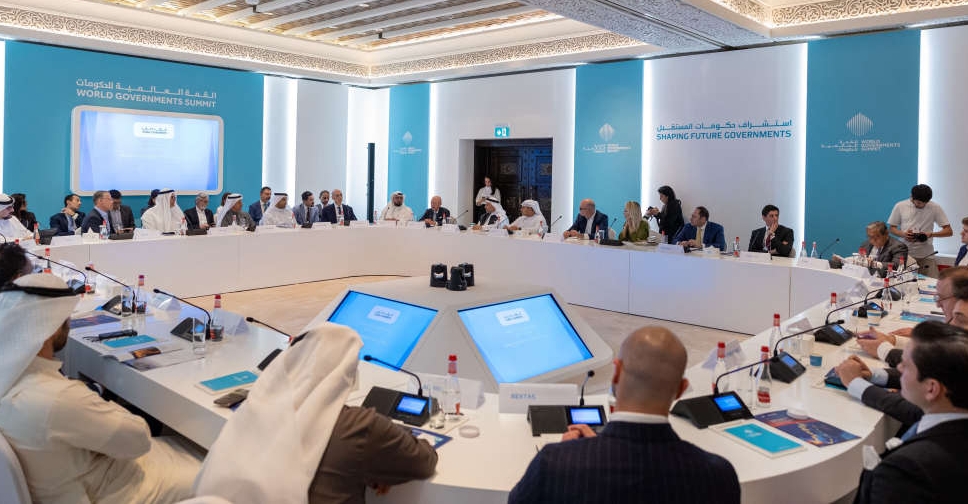 Family businesses urged to rethink investment, philanthropy at Dubai summit
 UAE-Vietnam CEPA enters into force
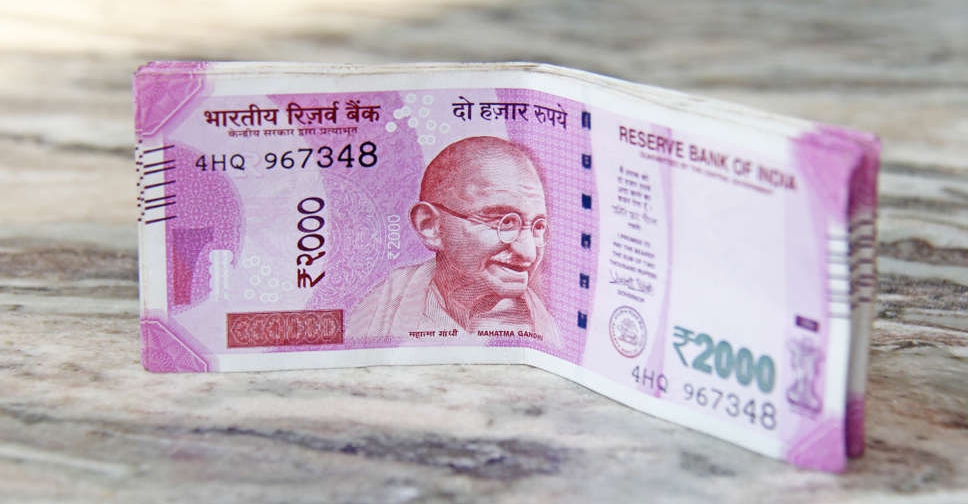 Indian rupee, stocks soar in relief rally after trade deal with US