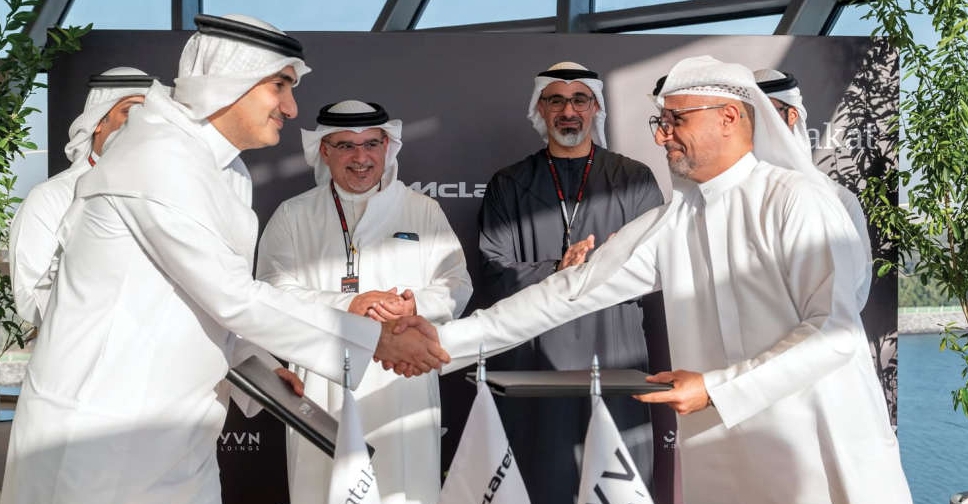
Abu Dhabi-based mobility operator CYVN has partnered with Bahrain’s sovereign wealth fund, Mumtalakat, to acquire McLaren’s automotive business and part of its racing business.
The deal, worth around $700 million, will reportedly empower McLaren to reach its full potential via access to engineering and design capabilities, leading-edge technology, and experienced leadership.
The Chairman of CYVN Holdings, Jassem Mohammed Bu Ataba Al Zaabi, said: “This acquisition marks a defining moment in CYVN’s vision to build a leading, globally connected mobility platform and underscores Abu Dhabi’s growing role as a global centre of excellence for innovation in advanced mobility. By combining McLaren’s iconic heritage and expertise with CYVN’s advanced engineering and technology capabilities, we aim to redefine high-performance mobility and set a new benchmark for excellence.”
McLaren, renowned for its high-performance vehicles, recorded 1.2 billion dollars in revenue in 2023 and has produced 20,500 cars to date.
The acquisition comes after McLaren’s victory in the Manufacturer’s category at the Abu Dhabi Grand Prix 2024.

 Dubai achieves highest-ever ranking in Global Financial Centres Index
 Stocks gain with oil prices easing on optimism from possible ceasefire talks
 Australia moves to double fines for fuel gouging amid shortages
 Gulf stocks mixed amid confusion over US-Iran talks
 Australia, EU seal long-awaited trade deal